Compare private spaces at Tranquillity Vineyard in Middlebury CT by guest count and price, from the Historic Silo and Wine Club Lounge to the BullPen barn.
Book a holiday party in Middlebury CT at Tranquillity Vineyard. Private spaces for company celebrations and family gatherings, November through December.
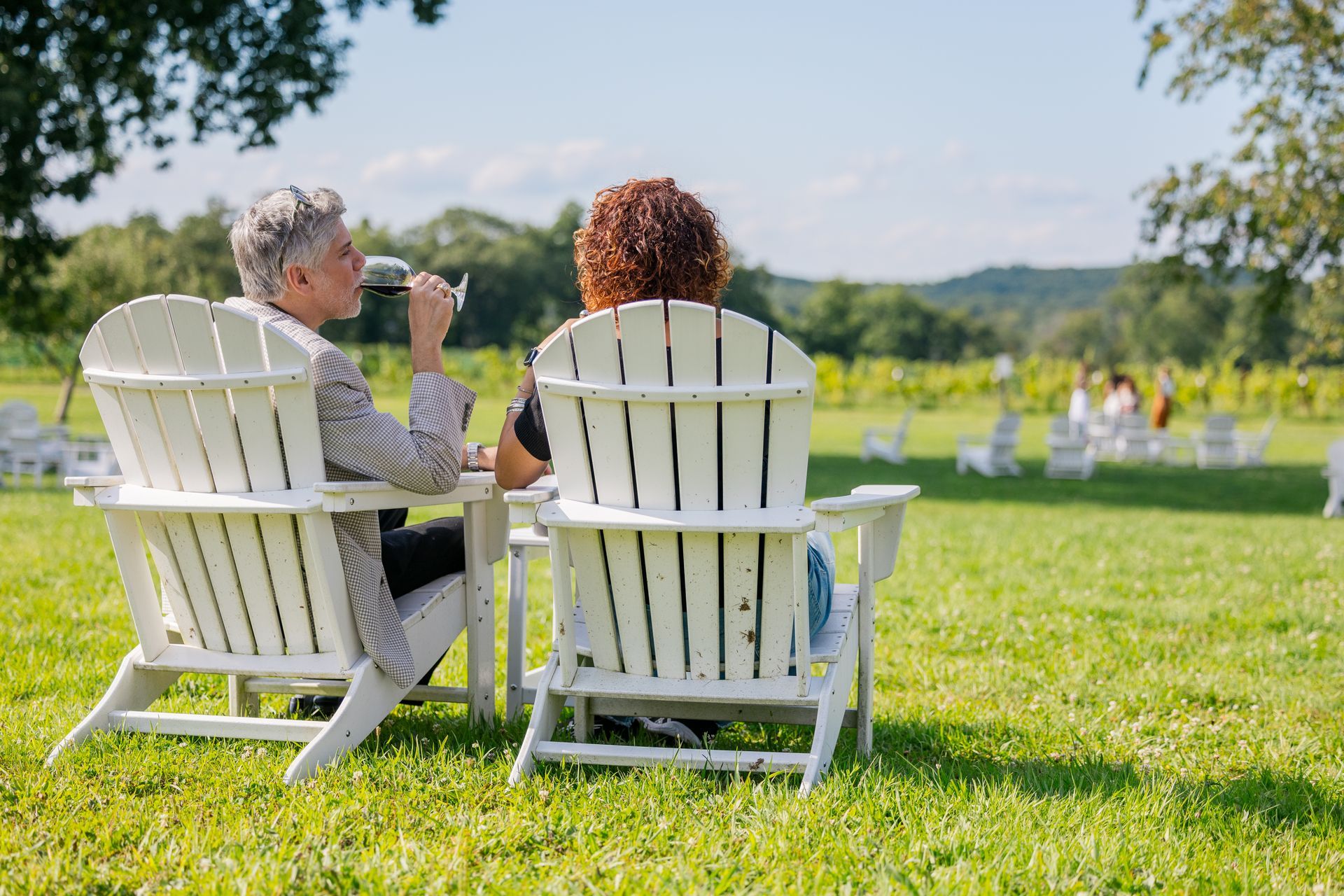
Plan a full day trip to Middlebury CT: wine tasting on Lake Quassapaug at Tranquillity Vineyard, then dinner, shopping, and a nightcap nearby.
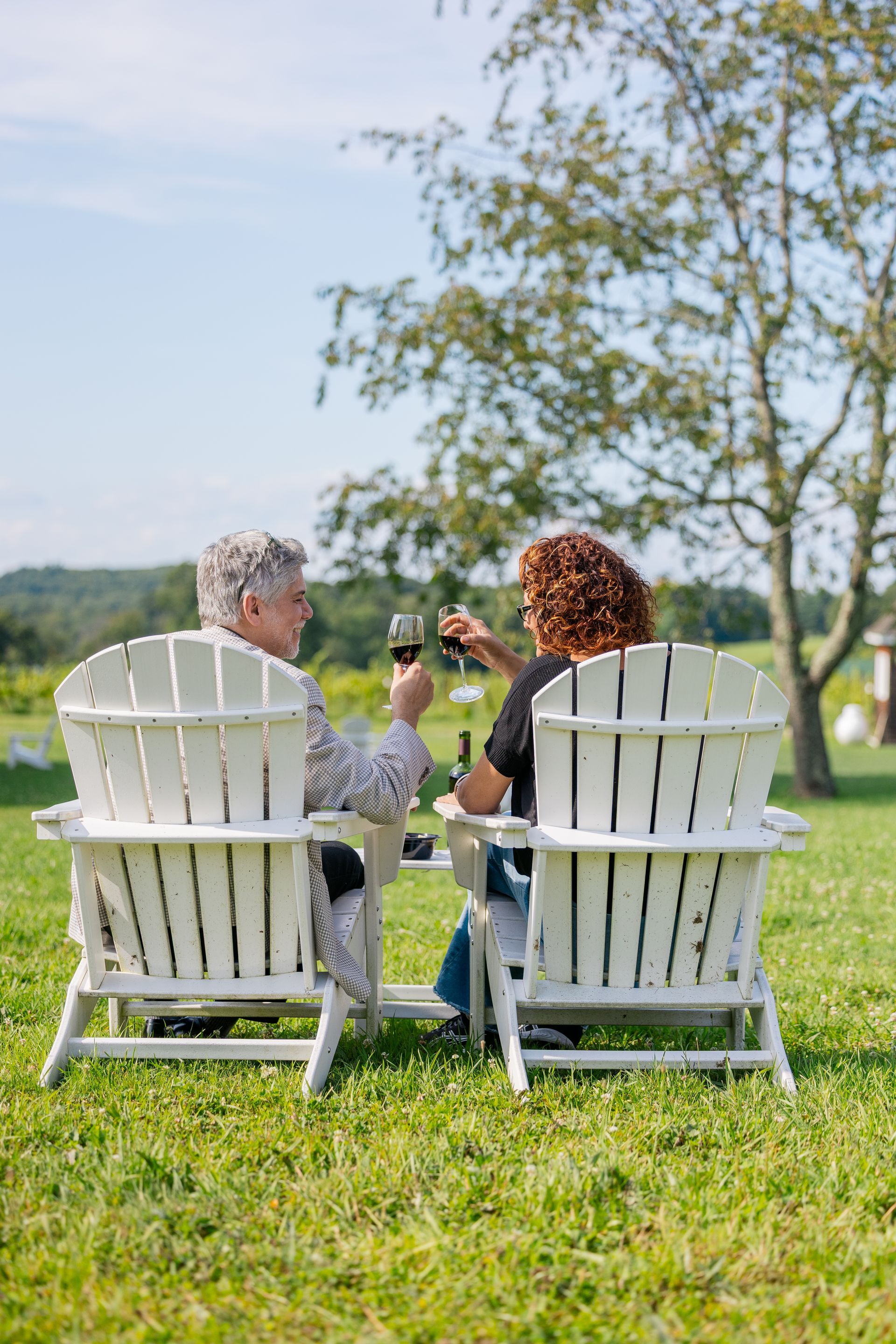
Planning a proposal or engagement party in Connecticut? See how Tranquillity Vineyard in Middlebury hosts both, from the Historic Silo to lakeside sunsets.
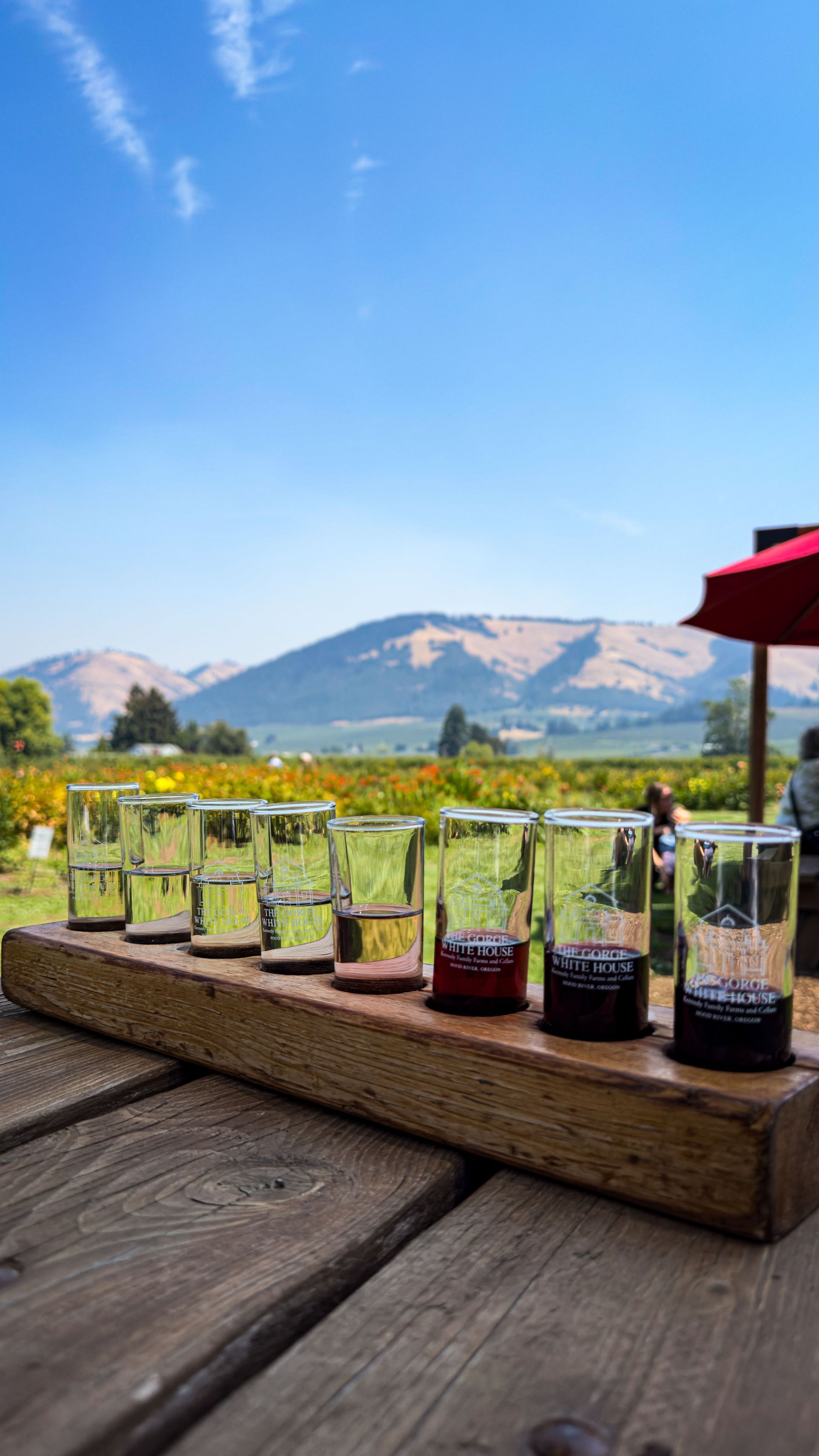
Looking for things to do in Middlebury CT this weekend? See live music, seasonal brunches, and holiday experiences coming up at Tranquillity Vineyard.
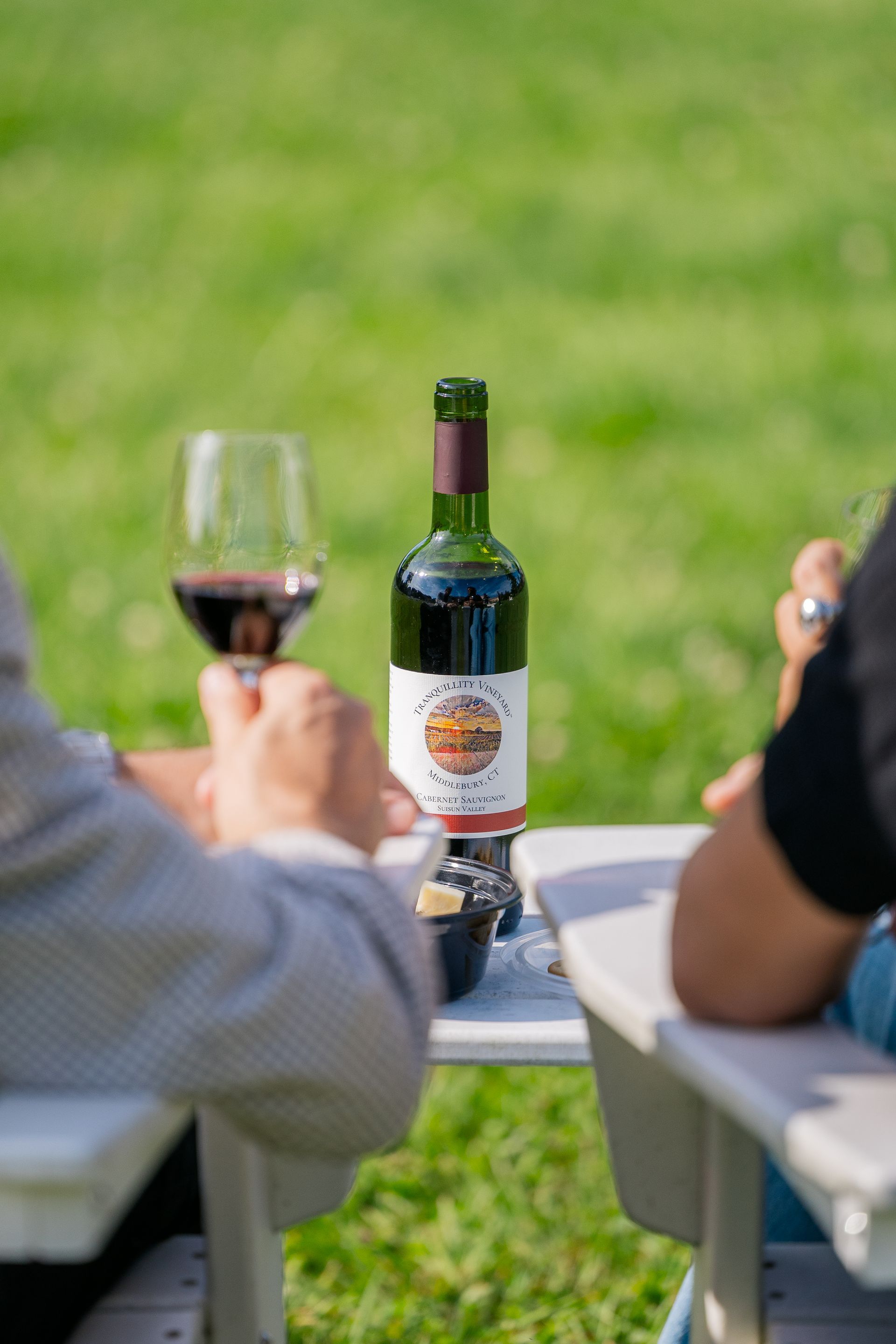
How much are wine tastings in Middlebury CT? See tasting options, pricing, reservations, and how long to plan at Tranquillity Vineyard on Lake Quassapaug.
How is wine made at Tranquillity Vineyard? Head Winemaker Frank Renaldi takes you inside the on-site production and aging facility in Middlebury, CT.
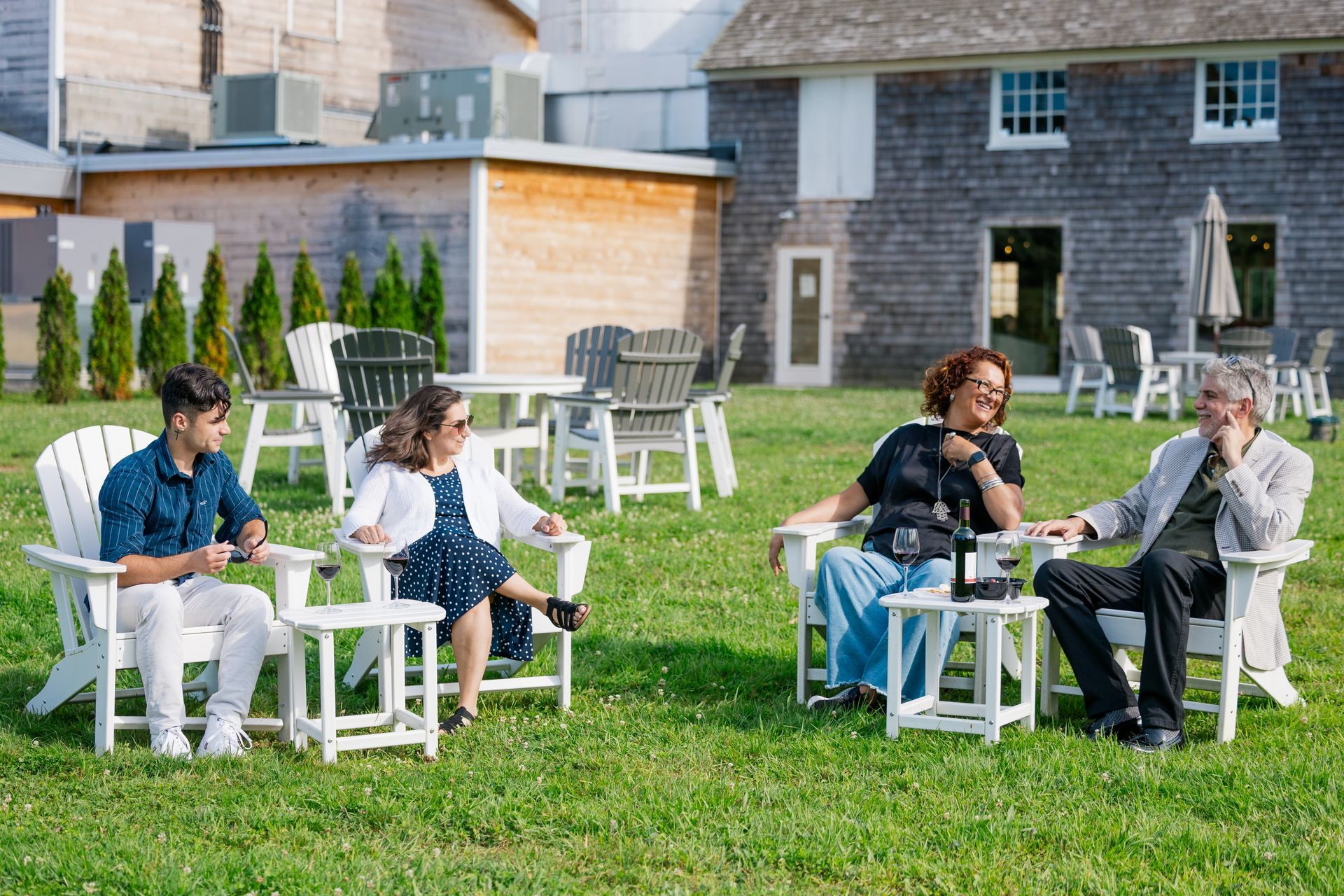
Planning a corporate event in Connecticut? See how Tranquillity Vineyard in Middlebury hosts weekday meetings, team outings, and client entertaining.
What makes a wine a port? Head Winemaker Frank Renaldi of Tranquillity Vineyard in Middlebury, CT explains fortification, aging, and the styles of port.
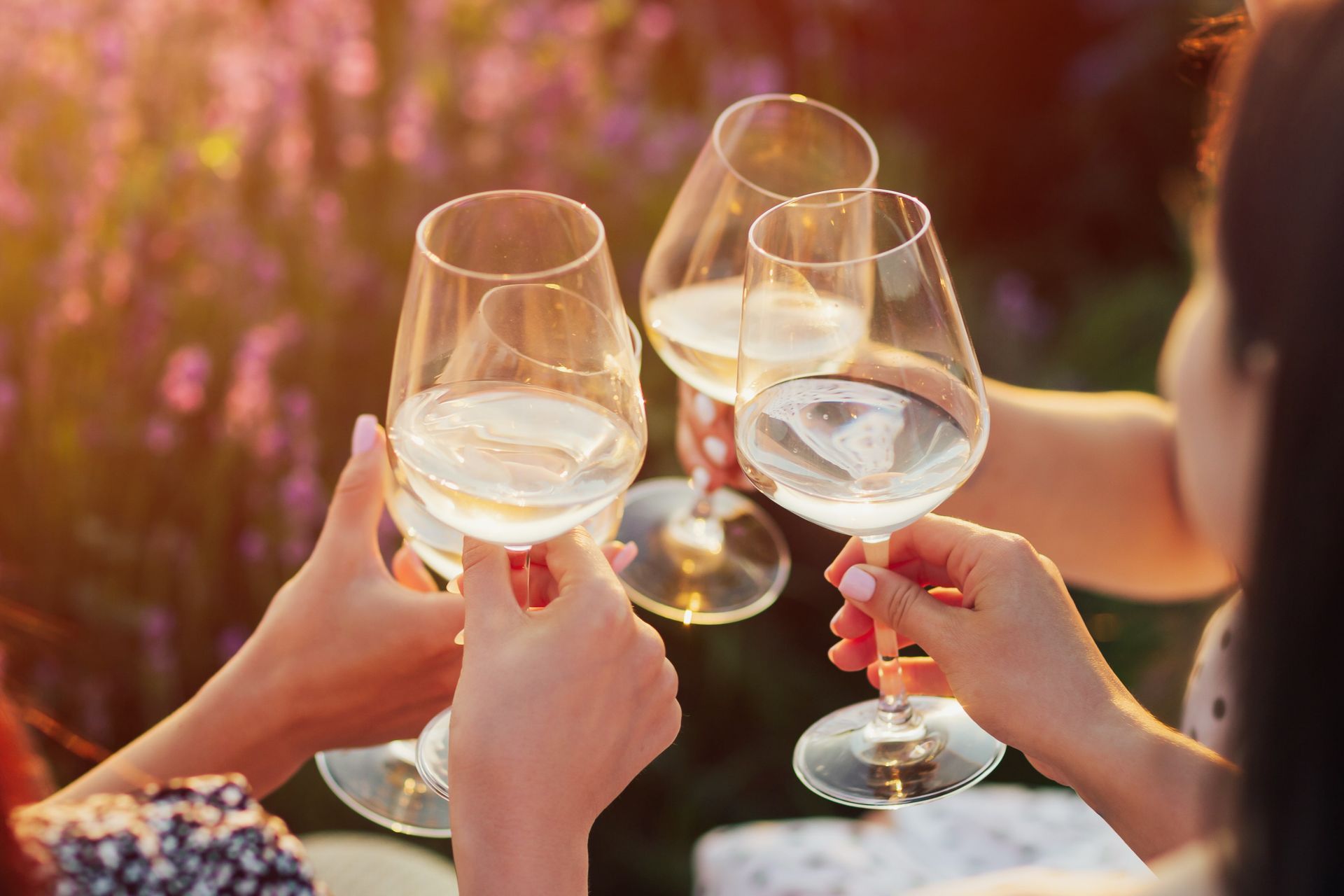
Why does alcohol matter in wine? Head Winemaker Frank Renaldi of Tranquillity Vineyard in Middlebury, CT explains sugar, fermentation, and typical ABV ranges.